Connect Your Property With Reliable Water Lines
Water and sewer line installation in Rocky Gap for homes, farms, and new construction
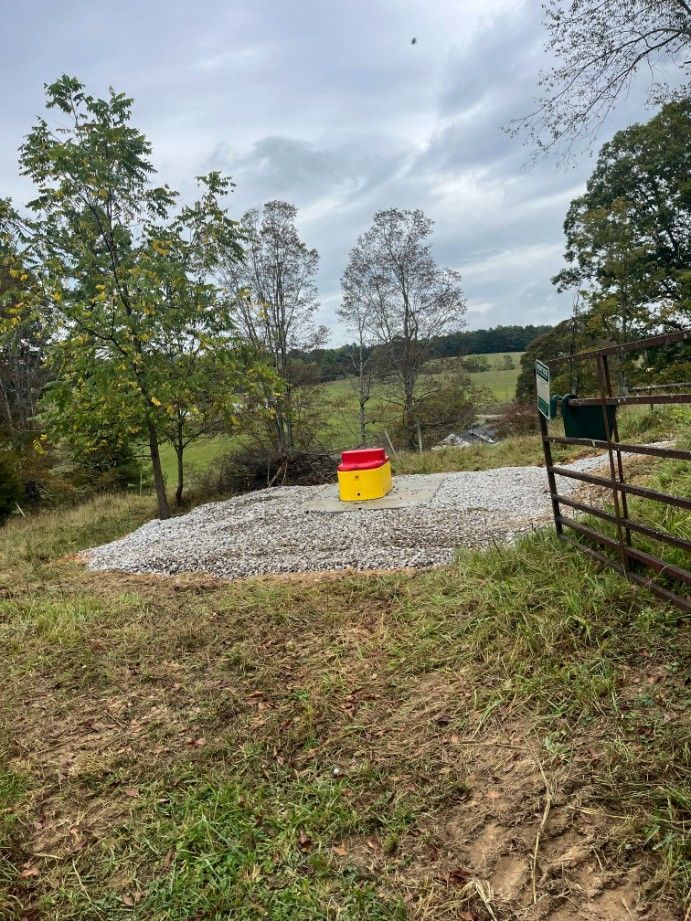
When you build a new home or need to upgrade your water system in Rocky Gap, proper line installation ensures dependable water flow and waste removal. Deer Run Property Services provides water and sewer line installation for homes, farms, and properties throughout Rocky Gap. Services include precise trenching to protect surrounding land and structures, line placement that follows the natural contours of your property, connection to wells, septic systems, or municipal hookups, and careful backfilling to restore the land and prevent settling or damage.
Water and sewer lines fail when they are installed too shallow, placed in unstable soil, or routed through areas where freezing or heavy traffic can cause damage. Rural properties often require longer line runs to reach wells or septic systems located away from the home. Trenching is done with attention to existing utilities, tree roots, and structures to avoid costly repairs after installation. Line placement follows proper slope and depth to ensure water flows correctly and lines remain protected from freezing and surface damage.
If your property in Rocky Gap needs new water or sewer lines installed, reach out to discuss your project and site conditions.
What's Included in This Service
You start with a site assessment that looks at the distance between your home and the water source or septic system, the location of existing utilities, and the terrain your lines will need to cross. The assessment determines the best route for trenching and identifies any obstacles such as bedrock, tree roots, or drainage areas that need to be navigated. In Rocky Gap, many properties include sloped terrain or long distances between structures that require careful planning to ensure lines function correctly without leaks or pressure loss.
After installation is complete, you will notice dependable water flow from your well or municipal connection, properly functioning waste removal through your sewer or septic line, and restored land that is ready for landscaping or other use. Deer Run Property Services uses precise trenching techniques to minimize disruption to your property and avoid damage to existing features. Clear communication throughout the process ensures you know what is happening at each stage and what to expect after the lines are in place.
This service does not include interior plumbing work, well drilling, septic system installation, or landscaping such as seeding or planting over trenched areas. Work is focused on trenching, line placement, and backfilling to connect your home or structures to water and sewer systems. If your property has specific challenges such as rocky soil, steep slopes, or limited access, those factors are discussed before work begins to ensure the installation is completed correctly without unexpected delays or costs.
Before scheduling water and sewer line installation, property owners often have questions about trenching depth, line materials, and how the installation process affects their land.
Details That Matter Most
Water and sewer line installation connects your property to the systems it needs to function reliably. If your home or property in Rocky Gap needs new lines installed, contact us to schedule a site assessment and discuss your installation needs.
